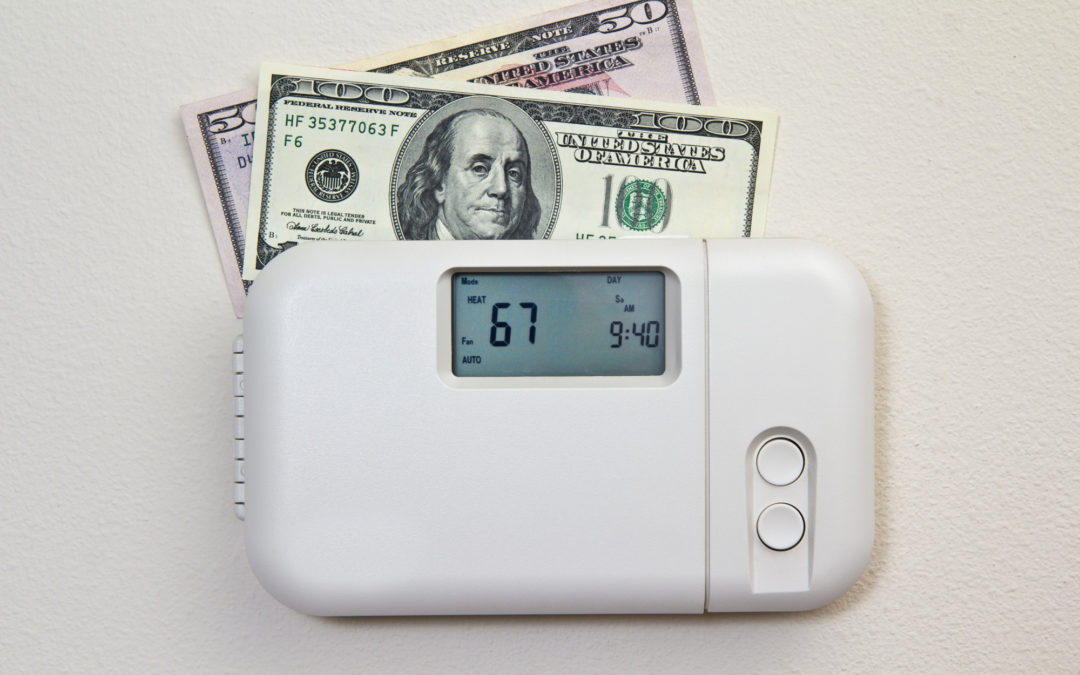
Each year, the typical American household spends $2,060 on average on home utility bills.
A significant portion of utility bills goes to home-heating expenses. It’s the reason most people are always looking for ways to save money on heating.
It’s no secret that high heating costs can cause a significant dent in your household budget. Currently, approximately 31% of U.S. families struggle to pay their monthly energy bills. Most of these households depend on fixed incomes or survive paycheck to paycheck.
The good news is that there’s always something you can do to keep your heating bill down, whether you struggle with your utility costs or not.
In this friendly guide, we give you some ingenious tips on how to lower your heating bill. Read on to learn more.
1. Dress Warmly to Cut Your Heating Bill
The easiest way to lower your heating bills is to lower the temperature on your thermostat. This simple move can result in substantial savings on energy expenses over time.
Once you turn down the temperature, your house will, of course, get a little bit colder. The most cost-effective solution is to bundle up by wearing warmer clothes. Start getting used to wearing your sweater, socks, and a sweatshirt when indoors.
Wearing an extra layer of clothes while in the house may take a bit of adjusting in the beginning. However, once you see how much your energy bill gets lower, you’ll quickly become okay with it.
2. Install a Programmable Thermostat
A programmable thermostat regulates the temperatures inside your house. The thermostat can lower temperatures at night when you’re asleep. Similarly, the thermostat drops the temperatures when you’re away from home.
You’ll, of course, need to program the thermostat appropriately, so it functions as you intend it to. Each month, such a thermostat can save you up to 10 percent on your heating costs.
3. Seal Leaks on Doors and Windows
Your home loses a significant amount of heat through leaky doors and windows. Fortunately, there’s a wide array of products in the market dedicated to solving this problem. These products help seal up your home against drafts.
You can install rubber insulation along the frames of your windows and doors to create a tight seal. Another way to seal the edges of your windows and doors is through caulking. Install a window sweep under your exterior doors to block winter gusts.
4. Wrap the Windows
Weatherstripping your windows through insulation and caulking may help prevent heat loss, but chances are you’re still losing heat through single-paneled glass. Upgrade your windows by installing double panes. If this seems out of reach for you at the moment, a cheaper option is to use plastic to wrap the windows.
Your local store will usually have different plastic kits for windows and glass doors of all sizes. The plastic wrap typically adheres to the frame of the window and helps insulate your home against heat loss.
5. Invest in Curtains
Curtains can be much more than just window dressing. Thick curtains that reach from the floor to the ceiling can offer superb protection from heat loss and drafts. Lighter options can still be an excellent, cost-effective way to prevent heat loss from your home.
Windows facing the south tend to receive more sunlight in winter, so keep curtains in those windows open during the day. Doing so helps you capture more heat from the sun. Close the curtains at night to trap the heat inside your home and avoid drafts.
6. Monitor Your Water Heater
Most homeowners focus only on heat from their thermostat when thinking of lowering heating bills. They totally forget about the costs associated with heating the water they use for cleaning and bathing.
Consider lowering the temperature on your water heater to save on your heating bills. Even if you only turn down the heat a little, the difference in your heating bill can be significant in the long run.
If your water heater uses oil, make sure that you only purchase high-quality oil to keep the unit working efficiently.
7. Seal Any Cracks Around Your Pipes
All homes have pipes that pass through floors, walls, and ceilings. Check whether there are gaps or cracks in these spots that might allow cold air into your home. Carefully check under your sinks and seal any gaps you discover with caulk or foam insulation.
8. Service Your HVAC Regularly
It goes without saying that a heating system that isn’t working efficiently will most likely increase your power bills. That’s why you need to have your HVAC serviced regularly.
At least once a year, call a reputable HVAC technician to check the entire system. The technician will usually lubricate the HVAC’s moving parts, clean out clogs and debris, and make sure that the unit is working at optimum efficiency.
Don’t forget to do your part in keeping your heating system working well. That means cleaning or replacing the filter as required. An efficiently working HVAC can save you significantly on heating costs.
9. File for Energy Tax Credits
The actions you take to boost energy efficiency in your home can result in significant savings on your taxes too. For instance, if your current furnace, water heater, or boiler is old and inefficient, replacing it with a new, energy-efficient one can earn you a tax credit. Insulating your doors and windows or investing in new storm windows can do the same for you.
You Can Start Lowering Your Energy Expenses Today
Regardless of how you keep your home warm, heating expenses can pile up, especially during the cold season. Fortunately, there are plenty of easy ways you can lower your oil heating bill if you’re unhappy with it at the moment. Many of these techniques are incredibly cheap to put in place, yet the difference they cause is significant.
If your heating bills have been giving you a headache, we can help provide a solution. Contact us today to check out some of our products and services that can help you start saving on your heating expenses.