In the U.S., heating oil is the main fuel for heating 5.7 million homes.
If you’re one of those homeowners, the high oil heating cost in the winter might be a concern.
When you live in a cold state, those costs can soar when the temperature drops. You can’t go without heat, so you have to pay up, but you can cut down on what you pay by making strategic choices about how you use your heating system.
Try these seven tips to save on oil this winter.
1. Use Less Oil
The easiest way to spend less on your oil bill is to use less oil. It sounds simple, but it requires you to be intentional with your actions when it comes to heating.
Maximize natural heat by opening your blinds on sunny days. Once the sunlight no longer comes in the window, close the window coverings to block cold air from blowing in.
You can get more sunlight into your home by trimming trees and shrubs outside of your windows, especially the ones that get lots of direct sunlight.
Thermal or blackout curtains provide stronger protection against cold outdoor temperatures.
2. Make Thermostat Changes
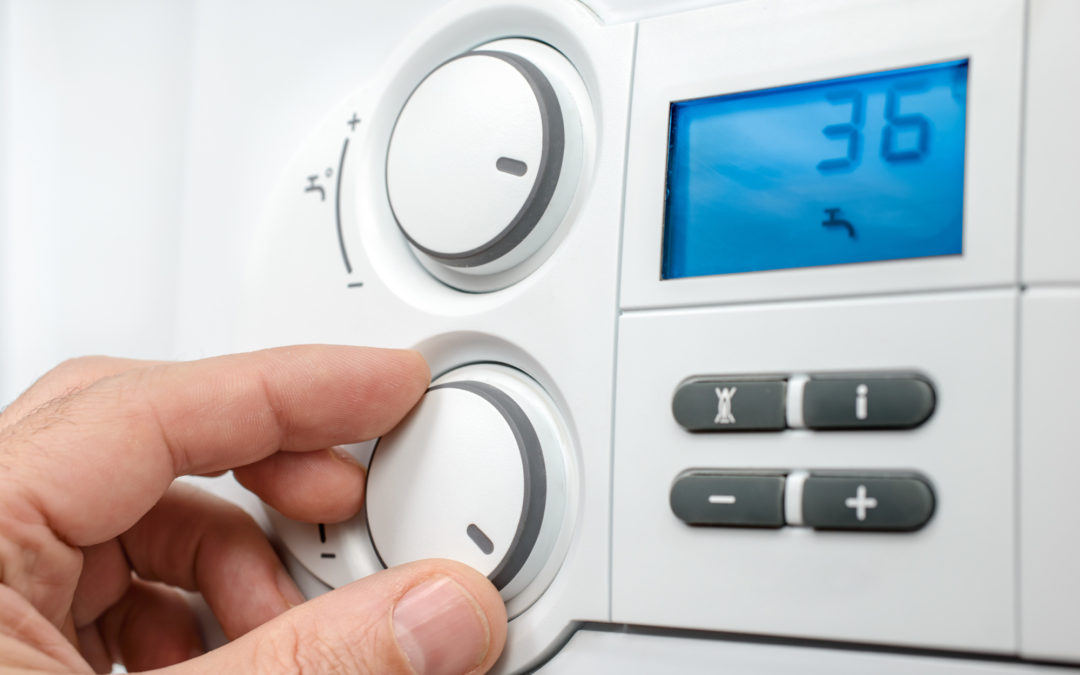
Use a programmable thermostat to adjust temperatures automatically based on the time of day. By having the system lower the temperature at night and when no one’s home, you use less oil at those times.
Lowering your temperature by 7 to 10 degrees over 8 hours daily cuts your energy bill by up to 10% over the year.
Keep in mind that if you lower the temperature too much during those off times, it takes a lot of heating oil to warm the house back up to your desired temperature. Lowering the temperature when you’re not around is a good idea, but don’t make drastic temperature changes.
You can also lower your temperature a few degrees overall to save money. Grab extra blankets and wear layers around the house to stay warm.
3. Improve Your Home’s Efficiency
Your heating oil bill could increase despite your best efforts to decrease your usage. Any areas that make your home less energy-efficient force your heating system to work harder to keep your home comfortable.
An energy audit helps uncover those issues. You can have a professional do an energy audit, or you can check out your home yourself.
A major issue, especially with older homes, is air leakage. Any gaps in your home let in cold air. Your heating system has to work harder to compensate for that extra cold air, and the heated air it creates can leak out of those gaps.
Look for cracks and gaps around your home, especially around windows, doors, and along your foundation. Seal them up to keep the heated air inside your home.
Weatherstripping along your doors prevents drafts from coming into your home.
More insulation in your walls and ceilings can also help your heating system work more efficiently. The insulation helps hold the heated air inside your home. Preventing that heat loss means your furnace doesn’t have to work so hard to reach your desired indoor temperature.
Even little changes inside your home help. Keep your heat vents open with furniture and curtains away from them to allow the heated air to flow well.
Install storm windows or use a window insulating kit in the winter to keep cold air from seeping in through the glass.
4. Tune Up Your System
When your heating system runs well, it uses heating oil more efficiently. That’s why it’s important to have a technician check your system regularly.
The technician can make sure everything is running properly within the unit. The pros can also spot minor issues early before they evolve into major repairs.
Signing up for a yearly HVAC service contract ensures you stay on top of regular maintenance. It’s a more affordable option to have those yearly checks and keep your system running well. Without regular maintenance, you’ll likely use more heating oil and might end up with major repair expenses.
5. Compare Pricing Options
Look at the various options for heating oil delivery in your area. Not only are there different providers, but many companies offer different plans.
Compare the plan options and the pricing for each one. Some companies might charge lots of extra fees for things such as delivery, fuel surcharges, or delivery after hours.
An automatic delivery plan ensures you always have oil when you need it. With our automatic delivery plan, you have no additional delivery costs.
No matter who delivers your oil, look at the breakdown of the charges to see what you’re paying. This can help you plan a cheaper approach to refueling your tank, whether that’s switching to another company or changing your habits.
Refilling before you’re empty can help you avoid those after-hours or same-day delivery charges, for example.
A budget billing plan can also help you better prepare for fuel costs. Your historical oil consumption is used to estimate what you’ll use in the next year. That amount gets divided throughout the year for consistent bills that make it easier to plan.
6. Check for Discounts
It never hurts to ask about discount options for any service, including heating oil. Some companies might offer regular discounts for certain people, such as senior citizens. Others might run occasional specials that offer you a discount.
7. Fill Up Ahead of Time
Oil heating costs fluctuate with demand. In the winter, demand goes up, which means you’ll likely see a jump in pricing.
You can plan for this by filling your tank before the temperature starts to drop. You’ll be ahead of other people who haven’t thought of winter yet, and you’ll go into the cold season with a full tank.
It’s also better to keep your tank full throughout the winter so you have more control over when you refill. If you run too low, you’ll have to have your tank filled immediately, even if the oil prices are the highest they’ve been all season. You might have to pay more for fast delivery.
Reduce Your Oil Heating Cost
Your winter oil heating cost can cut into your budget significantly if you don’t plan. Simple changes can make your bills more affordable.
Contact us with any questions about your heating oil delivery needs.