
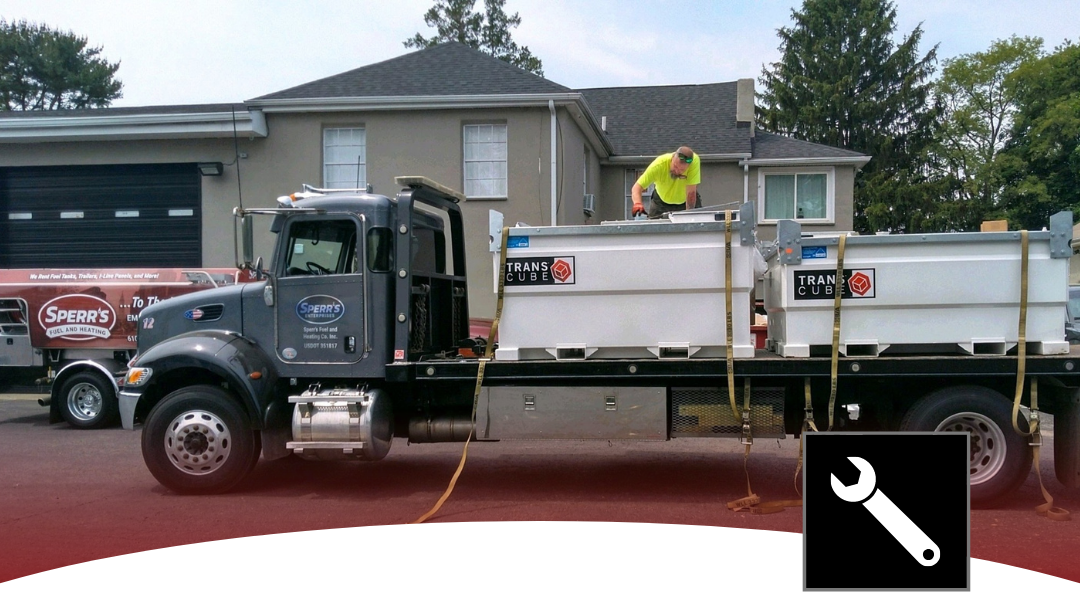
Do you keep extra fuel onsite? If so, it’s critical that you know how to properly store it. Otherwise, you are at risk for a major accident.
To prevent an unsafe situation, you must follow fuel storage guidelines. Read on to learn about proper fuel storage.
Always Exercise Caution When Handling Fuel
Improper fuel storage can lead to an explosion. This can cause serious injuries or even death.
Gas is volatile and has vapors that can easily ignite by a flame. Even a small spark can cause a major fire. Never smoke or light a match in the vicinity of fuel.
It is important that you always handle fuel with care. If fuel gets on the skin, it can cause skin irritation. It can also cause the skin to blister or peel off.
Gas that leaks out can lead to gasoline poisoning. If you suspect you or someone you know is experiencing this, contact poison control and call 911 right away.
If you’re involved in fuel transportation, you must know how to prevent spills. You must also know how to react in the event of a spill. Report a fuel spill to the local authorities immediately.
Use gas only for its intended purpose. Never mix it with other substances.
Guidelines for Safe Storage
Fuel should always be storied in an approved fuel can or tank. Never fill the tank all the way up with fuel. Leave some room for the expansion of the gas, as this can occur depending on its temperature.
Store the fuel in an area that is room temperature. This area should be away from heat sources like the sun, a furnace, and equipment that releases heat.
All backup fuel must also be stored in the proper containers. The size of the storage tank will depend on several factors such as the time of fuel storage and how much fuel you need to store.
Safe fuel storage also means running maintenance. This will help identify any issues.
During the maintenance, you must check the fuel inventory level. It shouldn’t drop below a certain level. Plus, the level shouldn’t go beyond the maximum level.
A bulk fuel tank that’s above the ground must have a vault on top. This will serve as an emergency relief venting vault. It will release internal pressure to help prevent a major accident if there’s a fire.
The tanks must have the means to put out a fire. This should include a fire suppression agent. There should be an alarm that goes off if there’s a liquid or gas leak.
There must be an adequate distance of separation. Storage tanks must be away from property lines and public areas. These tanks should also be away from other buildings on the site.
Proper Disposal of Fuel
Did you know that you can’t store fuel on a long-term basis? It isn’t a good idea to keep fuel in storage for more than a month. If you do plan to keep it in storage for longer, stick to these guidelines.
What do you do if you need to dispose of fuel? Your fuel delivery service company can remove any fuel that needs disposal. The company will know how to dispose of it safely.
If the company can’t come in, never pour the fuel on the ground, down the drain, or in the sewer. Doing so can lead to significant environmental damage.
Never store the old fuel in a garage or unsafe storage container. This can cause a spill or a fire.
Follow These Fuel Storage Guidelines to Prevent an Accident
Keeping extra fuel on a job site can pose a safety risk. To prevent a major accident, you must know about fuel storage. Following these safe fuel storage guidelines is a must.
It’s important to handle the delivery of fuel with care. You must work with your fuel delivery service company to prevent a fuel spill.
Whether you transport the fuel or take it out of the storage tank, you must use precaution. Spilling fuel can cause health issues. It can also lead to a fire and explosion.
Do you need extra fuel for your job site? Contact us to see how we can meet your extra fuel needs. We follow safe fuel transportation practices.