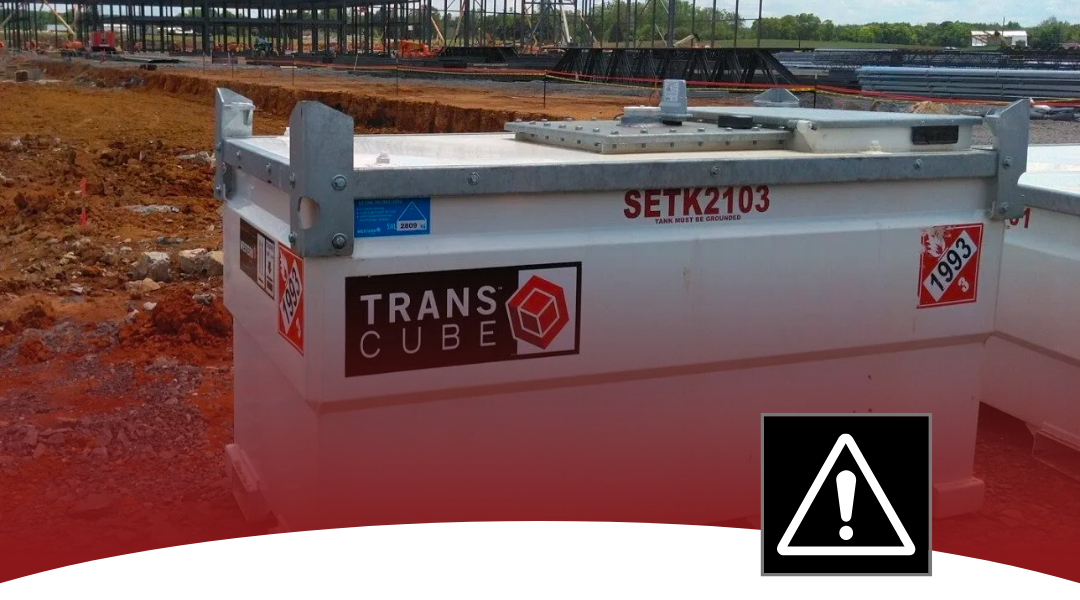
A construction site requires massive amounts of fuel for the massive machines that do the work. The larger the job, the larger the risk, and the more safety steps you must take to protect your workers and your business.
A diesel fuel cell makes work much more efficient with access to the fuel you need right there on your job site. But, you need to ensure you’re following safety guidelines for large diesel fuel cells.
By the time you finish reading this article, you will understand the steps you need to take to secure your diesel fuel storage tank as well as what to expect when an inspector visits your job site.
Fire Extinguishers
Because diesel is extremely flammable, you should have fire extinguishers available for liquid storage. The OSHA standard says you should have the extinguisher no more than 50 feet away from your fuel tank. To be safe, keep the extinguishers no less than 25 feet away from the tank as well.
This distance of 25 to 50 feet is a range that ensures your extinguisher is not too close or too far away from the flammable liquid. You should, in normal circumstances, be able to access the extinguisher at this distance if you have a fire.
Protection From Collision Damage
You need to put stops in place that protect your tanks from such a disaster from possible collision damage.
The location of your tank determines how much collision damage you need to put in place. For example, if you have a tank near a roadway, you will need more extensive measures to protect it than if you have it farther from the road.
If your diesel storage tank sits in your construction or work area away from the road, use a warning device like flags or markers as well as a curb to protect the tank from collision damage. These fuel tanks will have only one vehicle coming to them: the ones needing the fuel, so those drivers understand how to navigate around a fuel tank.
Thus, when your fuel delivery truck pulls up to refill your fuel, the driver will easily see your markers and avoid colliding with your tank.
What To Expect With an Inspection
Fire extinguishers and proper markings will ultimately protect your tank, your employees, and the environment around your work site. They also protect you as a business when an inspector arrives to determine if you have a safe work environment. Here are the things an inspector will look for when they visit your work site.
Your Responsibility
You must maintain the fuel cells and have them inspected for safety by the appropriate government regulatory agency. Here’s what you need to do before the inspectors arrive:
- Know the inspection standards
- Understand the required inspection schedules
- Handle maintenance and repairs that the inspectors require
- Hire a certified 3rd-party contractor to inspect your tank
- Keep your maintenance and inspection records up to date
When you do these things, you’re not only complying with the inspection and regulatory standards, but you’re protecting your business and the environment around it.
Storage Tank Inspections
Above-ground fuel cells require three different types of inspections.
- Formal External Inspections or FEI, where the inspector looks at all the working parts of the tank and areas around the tank for proper maintenance and safety
- Monthly Walkthrough Inspection where the owner must conduct a visual survey monthly
- Annual Periodic Inspection where a certified inspector examines the general tank serviceability and condition while not suspending the business operations
You, as the tank owner, work with the federal inspector to conduct these inspections. If you keep proper records and maintain your tanks, you should have no problems with these inspections.
Secure Your Diesel Fuel Cell
You can rest easy knowing you have a secure diesel fuel cell if you follow these safety protocols and comply with the inspection requirements. Remember that while inspections take time, if you’re complying with other safety standards, you’ll pass them easily without having to suspend operations for maintenance or repairs.
Do you need a reliable fuel delivery service? If so, contact us. We can keep your tanks full on the job site and keep you operating smoothly.